
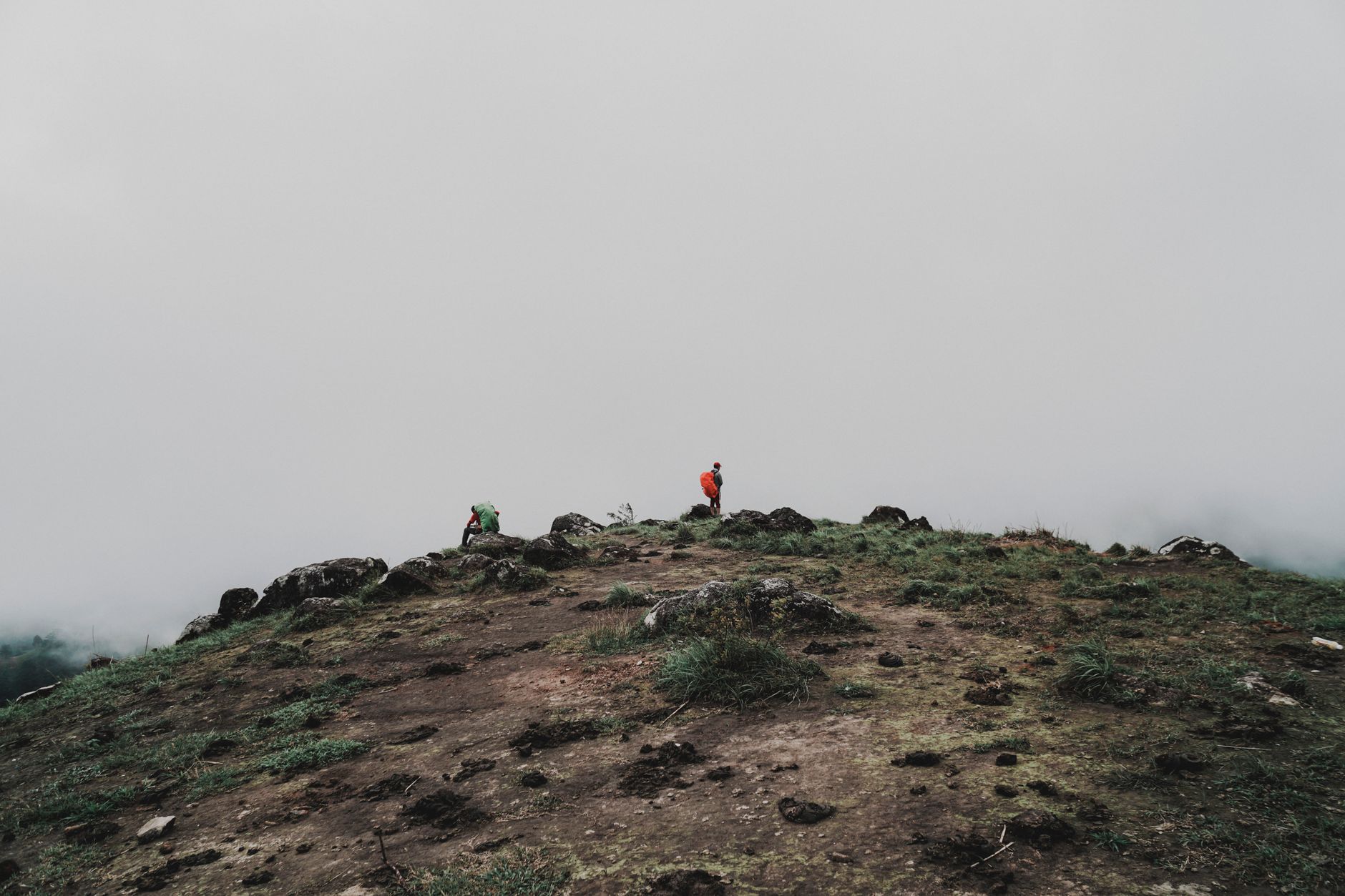
Chembra Peak Trek: Do’s and Don’ts Every First-Timer Should Know
There’s a certain magic that draws adventurers to the majestic hills of Wayanad, and at the heart of it all stands Chembra Peak. As the highest peak in the district, it offers not just a challenging trek but also the unparalleled reward of breathtaking panoramic views and the iconic heart-shaped Hridaya Saras lake. It’s an experience that etches itself into your memory, a true highlight of any visit to this verdant corner of Kerala.
For many, the Chembra Peak trek is a bucket-list item, a chance to connect with nature and push personal boundaries. But like any adventure into the wild, it comes with its own set of preparations and considerations. To ensure your first journey to Chembra is safe, enjoyable, and utterly unforgettable, we’ve put together a practical guide of essential do’s and don’ts. Get ready to conquer the peak the smart way!
Do’s – Essential Steps for a Smooth Trek
- Do Book Your Trekking Permit in Advance: Chembra Peak is a protected area, and access is strictly regulated. The number of trekkers allowed each day is limited to preserve its delicate ecosystem. To avoid disappointment, especially during peak season, always book your trekking slot and obtain your permit through the Forest Department well ahead of your planned visit. This also often includes arranging a mandatory guide.
- Do Start Your Trek Early in the Morning: The earlier you begin, the better. Kicking off your trek around 7:00 AM or 8:00 AM allows you to avoid the harsh midday sun, experience cooler temperatures, and significantly increases your chances of enjoying clearer views before any afternoon mist or clouds roll in. Plus, there’s a serene beauty to the mountain in the quiet morning hours.
- Do Wear Appropriate Trekking Gear: This cannot be stressed enough. Invest in sturdy, comfortable trekking shoes with good grip – the terrain can be uneven and slippery in places. Opt for lightweight, breathable clothing that allows for easy movement. A hat or cap is essential for sun protection, and it’s wise to pack a light rain jacket or poncho, as mountain weather can change quickly.
- Do Carry Ample Water and Snacks: The trek to Chembra Peak and back is exhilarating but demanding. There are no shops or water sources along the trail, so bring at least 2-3 litres of water per person. High-energy snacks like nuts, fruits, and energy bars are perfect for refueling and keeping your stamina up. Don’t underestimate the importance of staying hydrated and energized.
- Do Follow Your Trekking Guide’s Instructions: A local guide is mandatory and for good reason. They possess invaluable knowledge of the terrain, weather patterns, and local flora and fauna. They are also trained to handle emergencies. Listen attentively to their advice, stick with your group, and follow the designated trails for your safety and to protect the environment.
- Do Respect the Natural Environment: You’re entering a pristine natural habitat. Ensure you leave no trace behind. Carry all your waste with you, including plastic bottles and food wrappers. Do not pluck plants or disturb wildlife. The beauty of Chembra lies in its untouched natural state, and it’s our collective responsibility to preserve it for future generations.
Don’ts – Mistakes to Avoid for a Better Experience
- Don’t Attempt the Trek Without a Valid Permit and Guide: This is not only illegal but also incredibly unsafe. The trails can be challenging, and navigating without local expertise puts you at risk. The forest department strictly enforces these rules, and violators face penalties. Your guide is there to ensure a safe and enriching experience.
- Don’t Overpack Your Backpack: Every extra gram feels like a kilogram on a challenging trek. Pack only the absolute essentials. Leave unnecessary gadgets, heavy books, or excessive clothing back at your accommodation. A lightweight backpack makes a significant difference to your comfort and endurance levels.
- Don’t Ignore Weather Forecasts: While mountain weather can be unpredictable, always check the local forecast before heading out. Avoid trekking during heavy monsoon rains (June to August) when trails become extremely slippery, leeches are prevalent, and visibility is poor. Being prepared for potential weather changes can prevent discomfort or even danger.
- Don’t Litter or Vandalize: The pristine beauty of Chembra Peak is its greatest asset. Do not leave any trash, carve names into trees, or deface any natural formations. Let’s work together to keep Wayanad’s natural wonders clean and unspoiled. Carry a small trash bag to collect your waste and dispose of it properly back in town.
- Don’t Stray from the Marked Trails: The designated paths are there for your safety and to protect the delicate ecosystem. Venturing off-trail can lead to getting lost, encountering dangerous terrain, or inadvertently damaging sensitive plant life. Always stick to the path recommended by your guide.
- Don’t Rush the Ascent or Descent: Chembra Peak is not a race. Take your time, enjoy the journey, and savour the incredible views along the way. Rushing can lead to injuries, exhaustion, and missing out on the beauty around you. Pace yourself, take short breaks, and hydrate regularly. The reward is not just reaching the summit, but the entire experience.
Best Time to Experience This
The ideal time to embark on the Chembra Peak trek is during the post-monsoon and winter months, specifically from September to March. During this period, the weather is generally cooler and more pleasant, with lower humidity and clearer skies offering spectacular visibility for those panoramic views. The landscape is lush and vibrant from the recent rains, but the trails are drier and less slippery than during the monsoon.
It’s best to avoid the heavy monsoon season (June to August), as persistent rains can make the trails treacherous, increase the presence of leeches, and often lead to the trek being temporarily closed for safety reasons. Even within the recommended season, remember that starting early in the morning is always the best strategy to beat the heat and enjoy the clearest vistas.
Local Tips
To truly enhance your Chembra Peak experience, keep these local insights in mind. Firstly, while the trek is moderate to challenging, ensure you have a reasonable level of fitness. It’s always good to do a bit of walking or light exercise in the weeks leading up to your trip. Secondly, don’t forget to charge your camera or phone! The views, especially of the heart-shaped lake, are truly iconic and you’ll want to capture them. Thirdly, consider packing a small, lightweight pair of binoculars – you might spot some incredible birdlife or distant landscapes.
After your rewarding trek, treat yourself to some authentic Wayanad cuisine in nearby Kalpetta or Meppadi. The local food is delicious and a perfect way to refuel your body. Finally, remember that Chembra Peak is just one of many wonders in Wayanad. Explore other nearby attractions like waterfalls, spice plantations, and ancient caves to make your trip truly comprehensive.
Summary
The Chembra Peak trek is more than just a hike; it’s an immersive journey into the heart of Wayanad’s natural beauty. With its stunning vistas, the allure of the heart-shaped lake, and the profound sense of accomplishment upon reaching its summit, it promises an adventure like no other. By keeping these simple do’s and don’ts in mind, you’re not just preparing for a trek; you’re setting yourself up for a safe, responsible, and truly unforgettable experience. Come, discover the magic of Chembra Peak, and let the emerald landscapes of Wayanad captivate your soul.
Plan your Wayanad stay with rooms.wayanadinfo.com – real rooms, real adventures, one simple search.
Image by: mk Tran
https://www.pexels.com/@mk-tran-485466201