
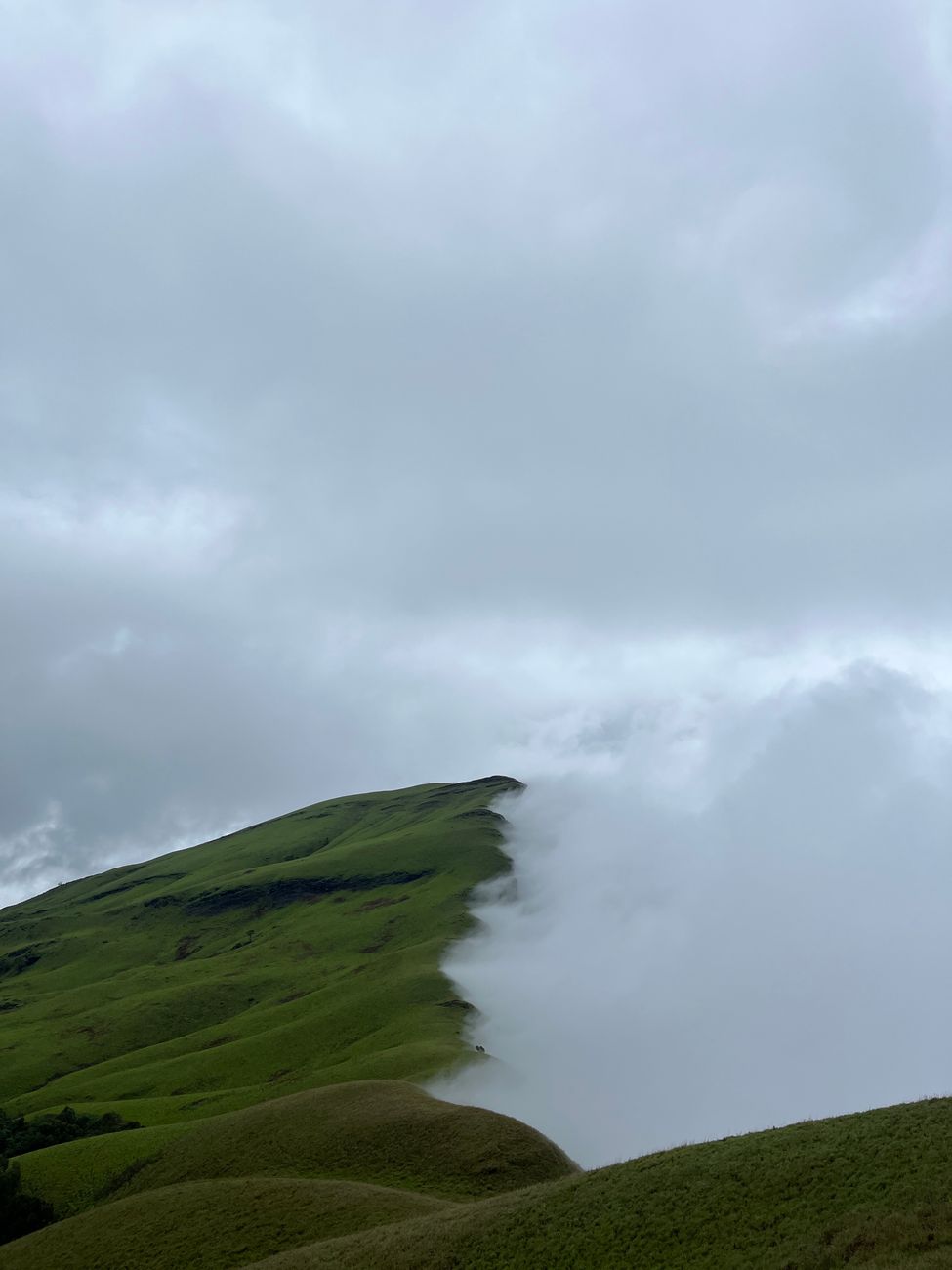
Do’s and Don’ts of Trekking in the Western Ghats: A Local Guide to Wayanad Trails
By Rajesh
Wayanad, nestled in the Western Ghats, offers some rewarding trekking experiences. But these mountains demand respect and preparation. This guide is for those planning to hit the trails here. Follow these practical points to ensure a safe, enjoyable, and hassle-free trek. We want you to enjoy Wayanad’s natural beauty, not get into trouble.
Your Practical Guide to Trekking Safely in Wayanad
-
Plan Your Route and Research Thoroughly
Before you even think about setting foot on a trail, get proper information. Don’t just show up. Wayanad has various trails, some easy, some tough. Know what you’re getting into. Understand the trail length, elevation gain, and estimated time it will take. Check if you need permits for specific trails or protected areas. Many places require them, and ignoring this wastes your time and money, and can lead to fines.
A good starting point is to ask local guides or tour operators who know the terrain intimately. They can provide up-to-date information on trail conditions, recent wildlife sightings, and any restrictions in place. Booking a guided trek often simplifies the permit process and ensures you’re with someone who knows the path.
-
Pack the Right Gear – No Compromises
Your gear is your first line of defense against the elements and unexpected situations. Proper trekking shoes with good ankle support and grip are non-negotiable. Don’t wear sandals or casual sneakers; they won’t cut it on slippery or rocky terrain.
Carry a sturdy backpack with enough water – at least two liters per person for a half-day trek. Pack high-energy snacks like nuts, dried fruit, and energy bars. A basic first-aid kit with bandages, antiseptic, pain relievers, and any personal medications is essential. A raincoat or poncho is a must, as weather in the Western Ghats can change quickly. A headlamp or flashlight is also wise, even for day treks, in case you are delayed.
-
Physical Preparation is Key
Trekking in the Western Ghats is not a casual stroll. Even moderate trails can be demanding, with steep inclines and uneven surfaces. Ensure you are in reasonable physical condition. If you rarely exercise, start with shorter, easier walks before attempting longer, more challenging treks.
Pushing yourself beyond your limits is a common reason for injuries or exhaustion on the trail. Be honest about your fitness level. There’s no shame in choosing a less strenuous trek to enjoy the scenery safely.
-
Stay on Marked Paths and Follow Your Guide
Once on the trail, stick to the designated paths. Veering off-trail can lead to getting lost, damaging fragile ecosystems, or encountering unexpected dangers like hidden drops or wildlife. The forest here can be dense and disorienting if you don’t know it.
If you’ve hired a local guide, listen to their instructions and stay close. They know the safe routes, potential hazards, and how to navigate the local flora and fauna. Their experience is invaluable, so trust their judgment.
-
Respect Wildlife and the Environment
Wayanad is home to diverse wildlife, including elephants, leopards, and various reptiles. Maintain a respectful distance from all animals. Never attempt to feed them or provoke them. If you encounter wildlife, remain calm, make slow movements, and back away quietly.
Carry out everything you carry in. This means no littering whatsoever. Even biodegradable waste takes time to break down and impacts the environment. Use designated dustbins if available, or carry your trash until you find one in town. Leave no trace of your presence.
-
Check Weather Forecasts and Be Prepared for Changes
The weather in Wayanad, especially during monsoon season (June to September), can be unpredictable. Heavy rains can make trails slippery and dangerous, lead to flash floods, and cause leeches to be more active. Always check the weather forecast before heading out.
Even outside of monsoon, a clear morning can turn into a misty, rainy afternoon. Be prepared for temperature drops at higher elevations. Carry layers of clothing that you can add or remove as needed. If the weather turns bad while you’re trekking, assess the situation calmly. It’s better to turn back than to risk injury.
Common Mistakes to Avoid
- Underestimating the Terrain: Many assume a “hill” trek is easy. The Western Ghats are rugged, with slippery rocks, steep climbs, and dense vegetation. Don’t take it lightly.
- Ignoring Hydration and Nutrition: Dehydration and low energy are common reasons trekkers struggle. Always carry more water and snacks than you think you’ll need.
- Going Off-Trail Alone: This is a major risk. Even experienced trekkers can get lost. The trails are there for a reason. If you’re without a guide, stick to clearly marked and well-trafficked paths.
- Wearing Inappropriate Footwear: Fashionable shoes have no place on a trek. Invest in proper trekking boots. Your feet will thank you, and you’ll avoid slips and sprains.
- Littering: Leaving trash behind is disrespectful to nature and locals. It also harms wildlife. Pack out what you pack in.
- Not Informing Anyone of Your Plans: Always tell someone (hotel staff, a friend, or family) your trekking route and estimated return time. This is critical for your safety.
- Ignoring Local Advice: Local guides and residents know the current conditions. Listen to their warnings about weather, trail closures, or wildlife activity. They are trying to keep you safe.
Summary
Trekking in the Western Ghats around Wayanad offers incredible natural beauty and a chance to truly connect with the environment. By following these practical do’s and avoiding common don’ts, you ensure a safe, responsible, and truly memorable adventure. Preparation is not optional; it’s essential for your well-being and the preservation of this beautiful region.
Plan your Wayanad stay with rooms.wayanadinfo.com – real rooms, real adventures, one simple search.\n\nImage by: Nitesh Kumar\nhttps://www.pexels.com/@nitesh-kumar-2155650259