
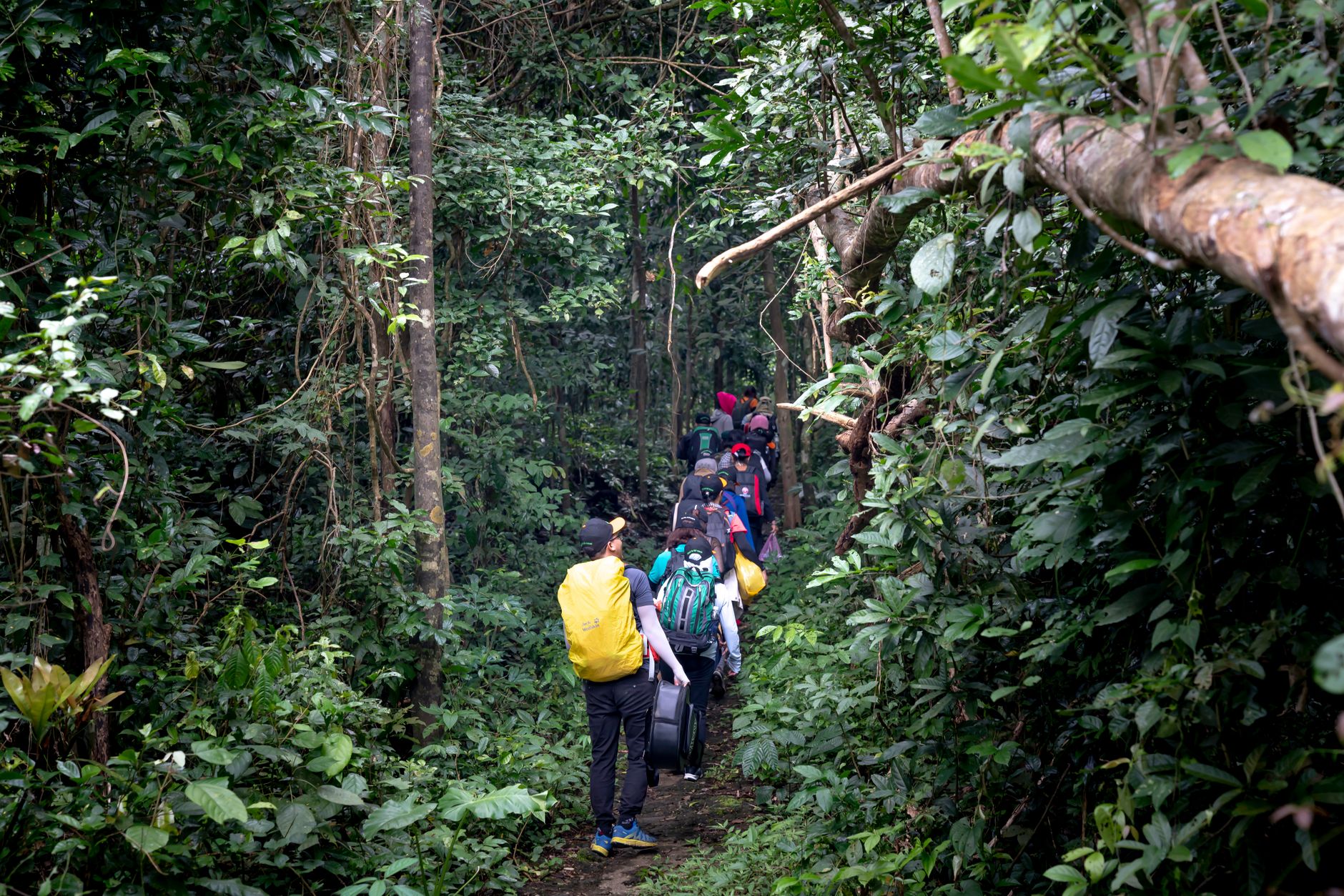
Trekking Gear Checklist for Wayanad Hills: Don’t Get Caught Off-Guard!
By Vivek
Alright, listen up, fellow adventurers! So you’re thinking of hitting the trails in Wayanad, eh? Smart move! This place isn’t just postcard-pretty; it’s got some serious jungle vibes, rolling hills that whisper ancient secrets, and views that’ll make you forget all about your cubicle. But here’s the deal: Wayanad, for all its beauty, isn’t a place you just waltz into with flip-flops and a selfie stick. Nope. It demands a little respect, a little prep, and a whole lot of common sense. Trust me, I’ve seen enough hapless tourists slip-sliding their way through a muddy path, muttering about their ruined sneakers, to know that a solid gear checklist isn’t just good advice—it’s salvation.
I remember this one time, fresh off a night bus, decided to hit Chembra Peak before the sun had even properly stretched. Thought I was a seasoned pro, right? Forgot my rain cover. Two hours in, the skies opened up like a burst dam. My “water-resistant” backpack became a sponge, and my camera nearly drowned. Learned my lesson the hard way. So, let’s make sure you don’t!
Your Feet: The Unsung Heroes (Treat Them Right!)
First things first, let’s talk about your most important tools: your feet. Seriously, don’t skimp here. This isn’t your local park stroll. Wayanad’s trails can be rocky, root-laden, muddy, and sometimes, deceptively slippery. “But Vivek,” you whine, “I don’t wanna buy fancy trekking shoes!” And I hear you, I really do. My wallet cries sometimes too. But here’s where you open it:
- Invest in good trekking shoes: Not just any sneakers. Look for ankle support, good grip, and waterproofing (or at least water resistance). Brands like Decathlon offer decent, affordable options that’ll save you a world of pain. Think of it as an investment in not ending up with a twisted ankle or soaked socks.
- Socks, glorious socks: Merino wool or synthetic blends are your friends. They wick away moisture, prevent blisters, and dry faster than cotton. Pack at least two pairs per day if you’re planning multi-day treks, because damp socks are the express train to blister-town.
- Avoid: New shoes you haven’t broken in (blister city!), open-toed sandals (hello, stubbed toes and leech bites!), and those trendy sneakers with zero grip (you’ll be doing involuntary moonwalks).
Clothes: Layers Are Your Lifeblood
Wayanad’s weather is a bit of a drama queen. One minute you’re sweating buckets, the next a misty drizzle rolls in, and suddenly you’re shivering. The key? Layers, my friend, layers! It’s like a fashion show, but for survival.
- Quick-drying fabrics: Think synthetic t-shirts, trekking pants, or even those cool track pants you never thought you’d wear outside the gym. They’re lightweight, breathe well, and crucially, dry fast. Cotton is a no-go; it gets heavy when wet and takes ages to dry, making you cold.
- Light jacket/fleece: Even if it’s sunny when you start, you’ll be glad for something warm at higher altitudes or early mornings/evenings.
- Rain gear: This is non-negotiable, especially during monsoon season (June to September). A lightweight, packable rain jacket is essential. A rain cover for your backpack? Even more so. You don’t want your phone or snacks swimming.
- Long sleeves and pants: Beyond warmth, they protect you from insect bites, scratches from thorny bushes, and the dreaded sun. Plus, they offer a bit of a psychological barrier against leeches, though those little rascals are determined!
The Backpack: Your Mobile Home
Choosing the right backpack is like choosing a good travel companion: it needs to be reliable, not too demanding, and carry its own weight. For day treks, a 20-30 liter bag is usually sufficient. For overnight or multi-day adventures, you’ll need something bigger, maybe 40-60 liters.
- Comfort is king: Padded straps, a hip belt, and good ventilation are crucial. Try it on, even if it’s just with some books inside. You’ll be carrying this thing for hours.
- Rain cover: Yes, again! Most good trekking backpacks come with one. If not, buy one. See my Chembra Peak story above. Learn from my mistakes!
- Pack light, pack smart: Only carry what you absolutely need. Every extra kilo feels like ten after a few hours on a steep incline.
Protection From the Elements (and the Creepy Crawlies)
Wayanad is wild, and that’s part of its charm. But wild means sun, rain, and a few critters you’d rather not get too intimate with. “Nammal kaadinte aduthulla alukal, kaadu nammude sahayam aanu” – We are people near the forest, the forest is our help. But it helps if you’re prepared!
- Sunscreen and hat: Even on cloudy days, the UV can be brutal. Protect your skin.
- Insect repellent: A good DEET-based repellent is your best friend, especially if you’re sensitive to mosquito bites. For leeches, some people swear by tobacco paste, salt, or even a good old Dettol spray on your shoes and socks. Be prepared for them; they’re part of the Wayanad experience!
- Small first-aid kit: Band-aids, antiseptic wipes, pain relievers, and any personal medications. Better safe than sorry.
- Water bottle/hydration pack: Stay hydrated! Carry at least 2 liters of water for a day trek. Wayanad’s humidity can sneak up on you.
- Snacks: Energy bars, nuts, dried fruit – quick energy boosters are invaluable when you hit that wall.
Navigation and Safety: Don’t Get Lost, Get Smart
While I love getting lost in thought, getting lost in the actual jungle is less fun. Wayanad has some well-marked trails, but it’s always good to be prepared.
- Power bank: Your phone is not just for photos; it’s your map and communication device. Keep it charged.
- Offline maps: Download maps of the area (Google Maps, Maps.me, etc.) before you lose signal.
- Local guide: Honestly, for many of the less-trodden paths, hiring a local guide is hands down the best investment you’ll make. They know the terrain, the shortcuts, the wildlife, and the stories. Plus, it supports the local economy. Don’t be a hero; use a guide.
Small Luxuries & Smart Saves
Here’s where Vivek tells you what’s worth the space and what’s just extra weight:
- Camera: If you’re into photography, absolutely bring it. The landscapes here are epic. Just protect it from rain!
- Small towel: A quick-drying microfibre towel is gold.
- Leave at home: Excess clothing, bulky books (e-reader is fine), valuable jewelry, anything you’d be heartbroken to lose or damage. You’re here to connect with nature, not impress anyone.
Summary
So, there you have it, folks. Wayanad trekking isn’t about expensive gear; it’s about smart gear. It’s about respecting the environment and being prepared for whatever she throws at you – be it sunshine, rain, or a pesky leech trying to hitch a ride. Pack smart, stay safe, and embrace the adventure. Wayanad’s hills are calling, and trust me, they’re worth every single step.
Plan your Wayanad stay with rooms.wayanadinfo.com – real rooms, real adventures, one simple search.\n\nImage by: Quang Nguyen Vinh\nhttps://www.pexels.com/@quang-nguyen-vinh-222549